


Moonroof vs. Sunroof: What’s the Difference and Which One Is Better for You?
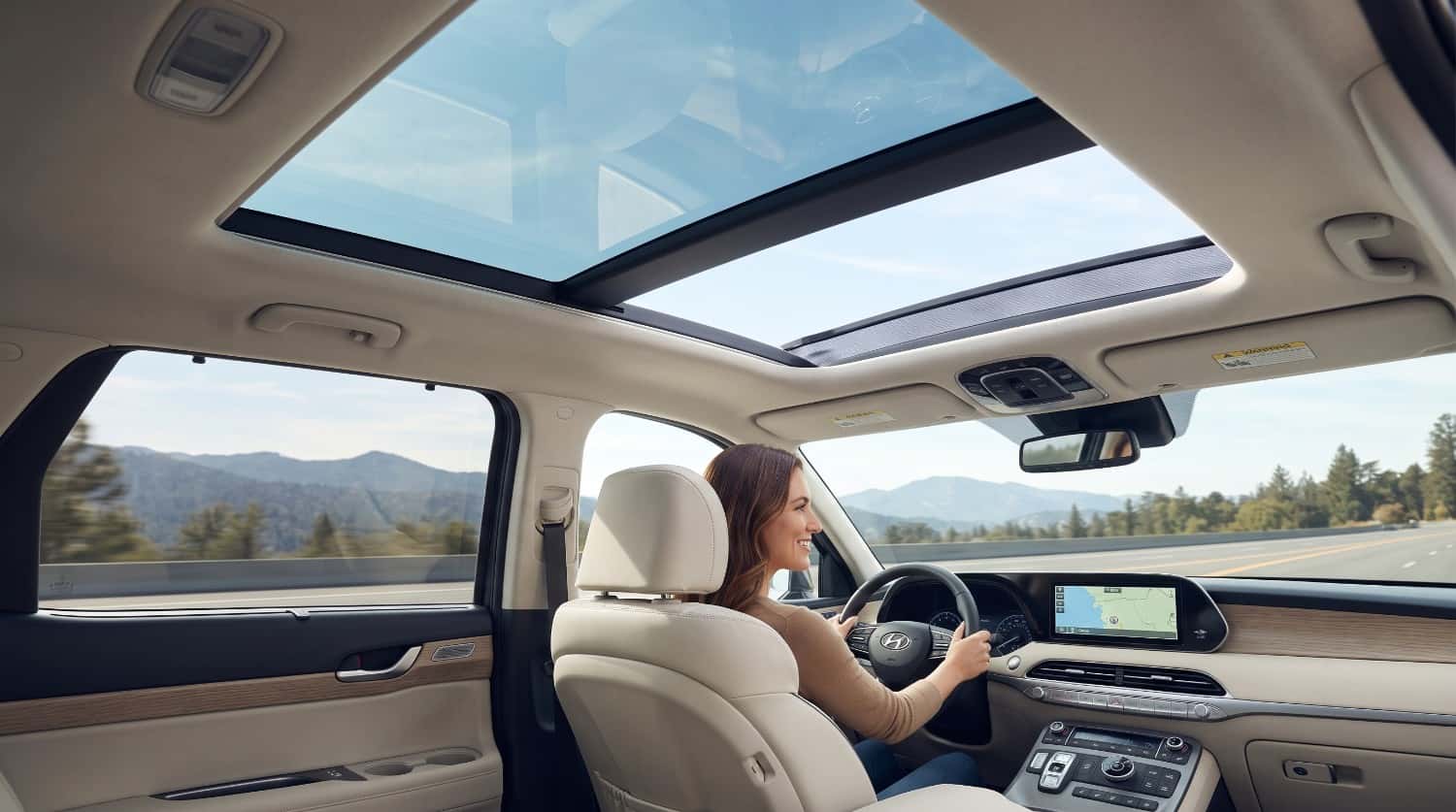
You are browsing spec sheets for a new car and notice two trims listing different roof options: one has a “sunroof” and the other a “moonroof.” While car commercials often treat them as interchangeable, comparing a moonroof vs sunroof reveals distinct structural and design features. Deciding which option fits your driving habits comes down to how much light and open air you want in your cabin. Knowing how each design operates makes it much easier to pick the right vehicle trim without paying for features you do not need.
Quick Summary: The main difference between a moonroof and a sunroof is transparency. A traditional sunroof features an opaque metal panel that tilts or removes to let in air, while a moonroof is a tinted glass panel with an interior sliding shade that allows light inside even when fully closed.
Key Takeaways
- Core Difference: Traditional sunroofs use opaque metal panels, whereas moonroofs are made of tinted glass.
- Light Control: Moonroofs include an interior sliding shade, letting natural light into the cabin even when closed.
- Roof Classification: A moonroof is technically a specific type of sunroof rather than an entirely distinct feature.
- The Umbrella Term: “Sunroof” remains the broader category that encompasses solid, glass, and panoramic styles.
- Origins of the Term: The American Sunroof Company (ASC) coined the term “moonroof” in the 1970s.
- Panoramic Variations: Modern vehicles frequently expand on the moonroof design with expansive, multi-panel panoramic setups.
- Which Is Better: The right choice comes down to whether you prefer complete overhead shade or constant daylight with open-air versatility.
What Is a Sunroof?
A sunroof is an operable, built-in roof panel that opens to let fresh air and sunlight into a vehicle’s cabin. In the automotive world, “sunroof” serves as the broad umbrella term for virtually any movable or removable roof opening, regardless of its specific design, size, or material.
Opening roof panels trace their roots back to the early 20th century, appearing on bespoke luxury motorcars as canvas sections or manually removable metal slats. By the mid-20th century, major automakers began integrating body-colored steel panels that slid open via mechanical hand cranks or motorized tracks, popularizing the feature across mainstream passenger cars.
Traditionally, a pure sunroof is defined by its opaque, solid construction. Unlike modern glass panels, classic sunroofs were made of body-colored sheet metal that completely blocked out exterior light and outside views whenever the panel remained shut.
Opening a classic sunroof required tilting the back edge up to vent or sliding the entire panel back into a dedicated roof cavity. Some versions even featured removable pop-up sections that drivers could unlatch by hand, stow inside the trunk, and reinstall when weather demanded.
Today, drivers and dealerships routinely use “sunroof” as a generic catch-all label for every overhead automotive opening. Whether a car features a classic pop-up hatch, a tinted glass slider, or a multi-panel panoramic setup across two rows of seats, it still technically falls under the wide sunroof family tree.
What Is a Moonroof?
A moonroof is a transparent or tinted glass roof panel designed to let natural daylight and ambient views into a vehicle’s cabin even when closed. Unlike older solid roof panels, a moonroof stays visually open to the sky, utilizing an interior sliding sunshade when passengers prefer complete overhead cover.
The concept gained widespread traction in the 1970s when the American Sunroof Company (ASC) popularized the term “moonroof” for glass-panel installations. ASC introduced it as a distinctive marketing name to highlight the luxury of looking up at the sky and stars at night without having to retract the roof and let cold air in.
Because of ASC’s successful branding, “moonroof” often sounds like an entirely different invention. In reality, it is technically a specialized subcategory of the broader sunroof family, defined specifically by its glass construction rather than painted metal.
Most modern moonroofs are motorized, offering versatile control settings at the touch of a button. Drivers can slide the interior sunshade back for daytime cabin light, tilt the glass panel up to vent fresh air, or slide the glass fully open between the roof and headliner.
Today, nearly every modern vehicle advertised with an opening roof panel actually comes equipped with a moonroof. The tinted glass design has become the universal standard across modern cars, SUVs, and trucks, seamlessly blending light entry, weather protection, and open-air ventilation.
Moonroof vs. Sunroof: Key Differences
Understanding the operational and aesthetic distinctions between a moonroof and a sunroof clears up the confusion that often arises during car shopping. While both options bring the outdoor driving experience into the cabin, the way they manage interior light, materials, and ventilation sets them apart.
The most noticeable difference lies in cabin ambiance. A traditional sunroof is designed purely for open-air airflow and direct sunlight when retracted, but remains a solid, pitch-black barrier once sealed. In contrast, a moonroof serves a dual purpose: it delivers fresh air on demand while continuously illuminating the interior through tinted glass, even during rainy commutes or cold highway drives.
Mechanical operation also reflects their generational differences. Classic sunroof designs often rely on manual pop-up latches, removable panels, or mechanical cranks. Moonroofs utilize integrated electric motors, pairing multi-stage tilt and slide controls with a sliding fabric sunshade that allows passengers to dial in the exact amount of overhead shade they want.
| Feature | Sunroof | Moonroof |
| Material | Opaque sheet metal or heavy fabric | Tinted tempered glass |
| Transparency when closed | Fully opaque (no view outside) | Transparent or translucent |
| Light when closed | None (blocks all overhead light) | Ample ambient daylight (adjustable via interior shade) |
| Common mechanism | Manual pop-up latch, removable insert, or motorized slide | Multi-position motorized tilt and slide |
| Typical vehicle placement | Classic cars, older models, and select utilitarian off-roaders | Front row overhead on modern sedans, crossovers, and trucks |
| Best for | Complete overhead sun blocking and vintage design appeal | Everyday cabin brightness, night views, and push-button convenience |
The core takeaway to keep in mind is that a moonroof is technically a specialized sub-type of sunroof. “Sunroof” remains the broad engineering category for any opening roof system, while “moonroof” refers specifically to the glass-paneled iteration.
Because tinted glass panels offer far greater everyday versatility, solid metal sunroofs have largely disappeared from modern assembly lines.
When current automaker spec sheets and dealership listings advertise a vehicle with a “sunroof,” they are almost universally describing a motorized glass moonroof. Recognizing this distinction helps you evaluate trim packages based on glass size, shade style, and motor functions rather than marketing terminology alone.
Types of Sunroofs Explained
Automakers have developed several distinct roof mechanisms to balance cabin space, styling, and airflow. Understanding how these systems differ helps you pinpoint the exact configuration that fits your vehicle choice and daily driving routine.
- op-Up / Tilt Sunroof: A hinged glass or metal panel that tilts upward at the rear edge to provide passive ventilation without sliding back. Often operated via a manual latch or simple toggle switch, it is ideal for budget-conscious drivers, compact commuter cars, and older vehicles seeking basic cabin airflow.
- Spoiler (Tilt-and-Slide) Sunroof: Tilts up and slides backward along tracks on the outside of the vehicle’s metal roof rather than retracting into the headliner. Because it preserves interior headroom, this design is typically found on compact hatchbacks, coupes, and smaller sedans with limited roof space.
- Built-In Sliding Sunroof: The standard factory moonroof setup, where the glass panel tilts for venting or slides completely out of sight between the metal roof and interior headliner. This provides a clean, flush exterior profile that suits midsize sedans, family crossovers, and daily drivers wanting seamless push-button convenience.
- Panoramic Sunroof / Moonroof: Features large, multi-panel glass sections spanning over both front and rear passenger rows, with a front pane that opens while the rear remains fixed. It floods the entire cabin with ambient light, making it the go-to option for family SUVs, luxury crossovers, and road-trip enthusiasts.
- Solar Sunroof: Embeds photovoltaic solar cells directly into the glass panel to generate electrical power while the vehicle is parked. This energy powers internal ventilation fans to keep the cabin cool in hot climates, appealing to tech-focused commuters and hybrid or electric vehicle owners.
- Folding / Ragtop Fabric Sunroof: A heavy-duty, weather-resistant canvas roof section that folds back like an accordion alongside rails to create an extra-wide overhead opening. It delivers a near-convertible driving experience, fitting rugged off-roaders, retro-styled cruisers, and open-air adventure vehicles.
What Is a Panoramic Sunroof?
A panoramic sunroof is an oversized multi-panel or extended single-pane glass roof system that stretches across both the front and rear passenger seating rows. Unlike standard single-row moonroofs, this setup creates an expansive skylight overhead, giving the entire cabin an open, airy atmosphere while allowing rear passengers to enjoy the sky view.
Most panoramic systems feature a dual-pane layout where the front glass panel tilts and slides open for fresh airflow, while the rear glass pane remains securely fixed in place. A full-length motorized sunshade is typically integrated into the headliner, allowing drivers to block out harsh direct sunlight with a single button press. Because of their generous size and weight, panoramic roofs are most common on midsize crossovers, full-size SUVs, and three-row family haulers.
Automakers frequently offer this luxury feature on popular family vehicles. Hyundai SUVs including the spacious Palisade, the versatile Santa Fe, and the compact Tucson offer available panoramic sunroof and moonroof configurations on select vehicle trims.
Because standard equipment and package availability can vary across specific models and Hyundai specifications option packages, it is always a good idea to confirm trim availability and experience the view in person by checking current inventory with the team at James Hodge Hyundai.
Pros and Cons of Sunroofs and Moonroofs
Every roof design balances cabin comfort against mechanical complexity. Evaluating the real-world advantages and maintenance requirements of each style helps you decide whether an open-roof feature aligns with your ownership priorities.
Sunroof Pros & Cons
Pros
- Total Sun Blocking: Solid, opaque metal panels block 100% of overhead glare and summer solar heat when fully shut.
- Effective Cabin Ventilation: Provides direct, rapid exhaust of hot air from the cabin without rolling down side windows.
- Vintage & Mechanical Simplicity: Classic pop-up or crank styles feature fewer complex electronics, reducing the likelihood of motor failure.
- Factory Headliner Flushness: Fixed and pop-up variants do not require thick motorized track assemblies inside the ceiling.
Cons
- Dark Cabin When Closed: Allows zero natural daylight into the interior unless the panel is physically opened or removed.
- Highway Buffeting: Full panel openings create significant wind noise and cabin turbulence at highway speeds.
- Manual Effort: Many classic and pop-up sunroofs require manual unlatching, lifting, or trunk storage.
- Seal Deterioration: Rubber perimeter seals dry out over time, leading to wind whistling and potential water leaks.
Moonroof Pros & Cons
Pros:
- Year-Round Ambient Daylight: Tinted glass floods the front and rear rows with light, making smaller cabins feel noticeably more spacious.
- Flexible Light Control: Integrated interior sliding sunshades allow occupants to easily transition from full daylight to complete shade.
- Nighttime Sky Views: Passengers can look out at city skylines and stars without letting cold outdoor air into the vehicle.
- One-Touch Electric Operation: Modern motorized switches allow seamless push-button venting and full retraction while driving.
Cons:
- Reduced Headroom: The internal cassette, motor, and track system housing can reduce front and rear passenger headroom by 1 to 2 inches.
- Drain Maintenance Required: Water drainage channels and tubes require routine cleaning to prevent clogs and interior headliner water leaks.
- Added Weight Up High: Heavy glass panels and electric drive assemblies add weight to the highest point of the vehicle chassis.
- Cabin Heat Gain: Even with deep factory UV tinting, glass panels conduct more ambient thermal heat into parked cars than solid metal roofs.
Are Sunroofs and Moonroofs Safe?
A common question among car shoppers is whether replacing a solid steel roof with a large glass panel compromises passenger safety. Modern vehicles with moonroofs and panoramic sunroofs undergo rigorous crash-testing and meet the same federal roof-crush standards as vehicles with standard metal roofs.
- Structural Integrity and Rollover Protection: Modern vehicle roofs rely on high-strength steel pillars (A, B, and C-pillars) and reinforced cross-members rather than the center sheet metal panel for structural rigidity. Vehicles equipped with moonroofs are engineered with reinforced roof frames to maintain full structural support and rollover protection.
- Tempered vs. Laminated Safety Glass: Factory moonroofs are built with heavy-duty tempered safety glass designed to withstand road debris. If severe impact occurs, tempered glass breaks into small, dull-edged granules rather than sharp shards. Many modern panoramic setups also use laminated glass similar to windshields which holds together with an internal polymer layer if cracked.
- Anti-Pinch / Auto-Reverse Technology: Modern motorized moonroofs include built-in obstruction sensors. If the sliding glass panel or power sunshade detects resistance such as a passenger’s hand or an object while closing, the motor instantly stops and reverses direction to prevent injury.
Which One Is Better for You?
Deciding between an open-roof feature and a standard solid roof comes down to how you use your vehicle, your local climate, and your comfort preferences. Aligning your daily routine with the right roof style ensures you get the features you value most without paying extra for options you rarely use.
Choose a Moonroof or Panoramic Roof if:
- You regularly take family road trips and want an open, airy cabin ambiance that keeps all passengers connected to scenic views.
- You live in mild or seasonal climates where opening the glass during mornings and evenings enhances the drive.
- You commute in darker winter months and appreciate constant natural daylight brightening the cabin through tinted glass.
- You are shopping for mid-to-upper vehicle trims and value modern conveniences like one-touch motorized venting.
Choose a Traditional Sunroof or Solid Roof if:
- You prioritize maximum headroom and interior ceiling clearance for taller drivers and passengers.
- You live in consistently hot, desert-like climates and prefer a completely opaque, insulated metal barrier to keep cabin temperatures down.
- You want minimal maintenance upkeep with zero risk of glass track cleaning, seal conditioning, or drainage line clogs.
- You are sticking to entry-level vehicle trims to maximize your purchase value without paying for motorized roof packages.
Sunroof and Moonroof Maintenance Tips
Keeping your roof panel operating smoothly requires just a little routine upkeep to prevent water intrusion, wind noise, and mechanical wear. Following a few simple maintenance habits will protect your vehicle’s interior headliner and extend the lifespan of the entire assembly:
- Clear Drain Channels and Tubes: Water naturally enters the outer perimeter tracks and drains through small tubes routed down the vehicle pillars. Periodically inspect the drainage channels for pine needles, leaves, and road dirt to prevent clogs that cause water leaks inside the cabin.
- Inspect and Condition Rubber Seals: Check the rubber weatherstripping around the perimeter of the panel every few months. Wipe away dirt and apply a silicone-based weatherstrip conditioner to keep the rubber pliable and prevent cracking or drying out.
- Avoid Harsh Cleaners on Tinted Glass: Clean the glass using ammonia-free automotive glass cleaners and soft microfiber towels. Abrasive cleaners or harsh chemicals can degrade factory UV coatings and aftermarket tint films over time.
- Lubricate the Track Mechanism: Keep the motorized sliding tracks clear of grit and lightly lubricate the moving metal components with white lithium grease to prevent motor strain.
- Schedule Regular Service Inspections: Have certified technicians check the alignment, drainage lines, and motor tracks during routine oil changes and tire rotations.
If you notice slow motor operation, wind whistling, or dampness around your headliner, the certified service department at James Hodge Hyundai in Muskogee, OK, can clear clogged drain lines and inspect your seals to ensure everything stays watertight.
Conclusion
Choosing between a moonroof, a traditional sunroof, or a solid roof ultimately comes down to finding the balance of cabin light, open-air freedom, and daily driving comfort that feels right for you. Whether you want an expansive glass view for weekend road trips or prefer simple, low-maintenance headroom for your daily commute, experiencing these different roof designs from behind the wheel is the easiest way to find your perfect fit.
If you are ready to see the difference firsthand, the friendly team at James Hodge Hyundai is here to help. You can explore a wide lineup of new Hyundai SUVs featuring available single-pane and panoramic moonroof options, test out the one-touch controls, and see how much natural light each design brings to the cabin.
Stop by our showroom at 1330 North Main St, Muskogee, OK, or give us a call at 918-228-5518 to speak with our product specialists, schedule a test drive, and explore our current inventory today.
Frequently Asked Questions
Q: What is the main difference between a moonroof and a sunroof?
A: The primary difference between a moonroof and a sunroof is their material and transparency. A traditional sunroof is an opaque, body-colored metal panel that completely blocks out light when closed, whereas a moonroof features a tinted glass panel with an interior sliding shade that allows daylight into the cabin even when shut.
Q: Is a moonroof the same thing as a sunroof?
A: A moonroof is technically a specific subcategory of sunroof rather than an entirely different feature. While “sunroof” serves as the broad industry term for any opening roof panel, modern automakers and drivers use the terms almost interchangeably because glass moonroofs have become the automotive standard.
Q: What is a panoramic sunroof?
A: A panoramic sunroof is an expansive, multi-pane or extended glass roof system that stretches across both the front and rear passenger seating rows. It floods the entire interior with ambient light and scenic views, typically featuring a front glass section that tilts or slides open while the rear pane remains securely fixed.
Q: Do moonroofs let in more heat than sunroofs?
A: Yes, moonroofs naturally allow more ambient solar heat into a parked vehicle than solid metal sunroofs because glass conducts thermal energy more readily than insulated sheet metal. However, factory UV tinting and closing the built-in interior fabric sunshade significantly reduce cabin heat buildup on sunny days.
Q: Which is better: a sunroof or a moonroof?
A: A moonroof is generally better for drivers who value a brighter, airier cabin and the versatility of enjoying natural daylight without opening the glass to outside weather. A solid sunroof or standard roof is preferable if you want maximum interior headroom, zero glass maintenance, and total overhead sun blocking.
Q: Do all Hyundai SUVs come with a moonroof?
A: No, a moonroof or panoramic sunroof is not standard across every Hyundai SUV model or base configuration. Availability varies widely depending on the specific vehicle model, trim level, and optional equipment packages, so it is best to check current inventory and verify feature availability directly with James Hodge Hyundai.
Q: Can a moonroof open while the vehicle is driving at highway speeds?
A: Yes, you can safely operate a moonroof at highway speeds, though using the tilt-vent feature is usually preferable to opening the glass fully. Tilting the panel exhausts stale cabin air with minimal wind buffeting, while sliding the roof entirely open at high speeds will generate noticeable wind noise and interior turbulence.
0 comment(s) so far on Moonroof vs. Sunroof: What’s the Difference and Which One Is Better for You?