


Hyundai Recall Check: How to Check Your Vehicle by VIN
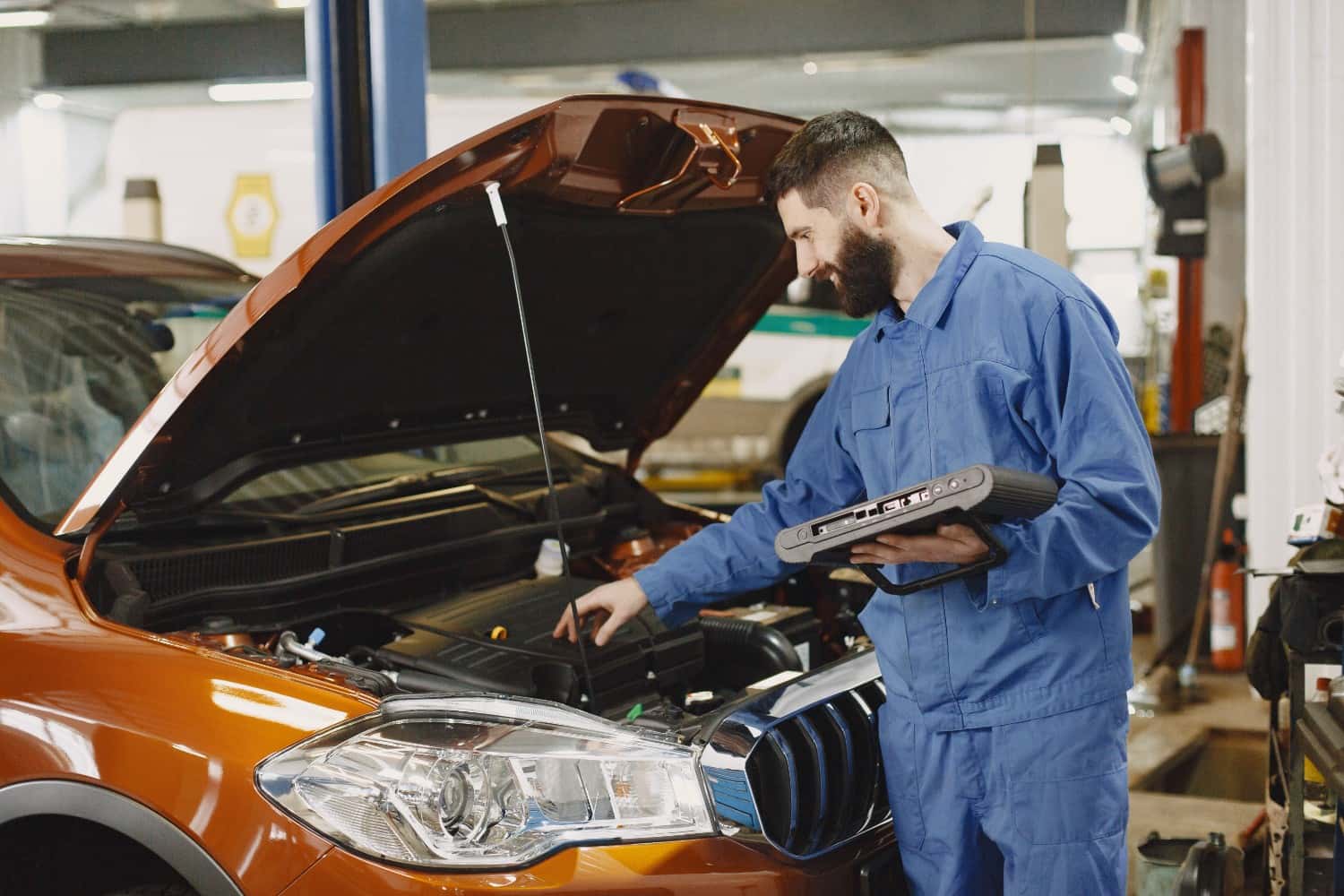
To run a Hyundai recall check, grab your 17-digit Vehicle Identification Number (VIN) and enter it into the official NHTSA recall tool or Hyundai’s online lookup portal. You can also call a certified dealership service department with your VIN in hand, and an advisor will pull your complete vehicle history on the spot. It takes less than two minutes, and it costs nothing.
That said, seeing an Open Recall alert pop up can instantly raise your blood pressure. Maybe you drive a 2019 Santa Fe on Highway 69 every day, or your kid takes an older Elantra back and forth to school in Broken Arrow. You need to know if the car is actually safe to drive right now, what the repair involves, and who pays for the bill.
We’ll walk through how to find your VIN, what different campaign notices mean, and how easy it is to get safety updates squared away at no cost to you.
Quick Summary: To check for open recalls on your Hyundai, enter your 17-digit VIN at nhtsa.gov/recalls or through Hyundai’s official recall site. The tool instantly flags uncompleted safety recalls and manufacturer campaigns tied specifically to your car. All safety recall repairs are 100% free of charge when performed at an authorized Hyundai dealership like James Hodge Hyundai.
Key Takeaways
- A 17-digit VIN gives the only exact answer: Running a Hyundai recall lookup by VIN is the only way to see if your specific car needs work, because recalls apply to exact production batches rather than every car made that year.
- Three official sources provide reliable data: You can run a free check online through the NHTSA database, Hyundai’s owner portal, or by calling our service team directly at 918-302-2501 to check your Hyundai recall status.
- Authorized dealership repairs are 100% free: Federal law requires manufacturers to cover all parts, diagnostic work, and labor costs associated with safety campaigns when performed at an authorized dealer like James Hodge Hyundai.
- Used-car buyers should always check before signing: Independent used car dealers are not legally required to fix open recalls before selling a vehicle, so check the VIN yourself before making an offer.
- Urgency levels vary by notice: Some campaigns involve quick, preventative software updates at your next oil change, while serious notices such as “park outside” fire-risk advisories demand immediate dealer attention.
What Is a Hyundai Recall?
A Hyundai recall occurs when the manufacturer or the National Highway Traffic Safety Administration (NHTSA) discovers that a specific vehicle part or system fails to meet federal safety standards or poses an unreasonable risk to drivers. When that happens, Hyundai is legally required to notify owners and fix the defect at no charge.
Not every dealer notice carries the same legal weight, which is where many drivers get confused. Hyundai issues three distinct types of notifications, and each serves a different purpose:
- Hyundai Safety Recall: These address severe safety hazards, such as an anti-lock brake module short, an airbag sensor failure, or fuel line trouble. Every Hyundai safety recall requires certified dealer repairs, is tracked by federal regulators, and costs you zero dollars.
- Service Campaign: These are customer-satisfaction or emissions-related updates initiated directly by Hyundai rather than NHTSA. They often target software logic, premature component wear, or minor electrical glitches to keep your vehicle running smoothly before a major breakdown happens.
- Technical Service Bulletin (TSB): A TSB is simply an internal technical guide sent from Hyundai engineering to our service technicians. It provides step-by-step diagnostic procedures for known, tricky issues like an odd transmission shift or an infotainment rattle that do not rise to the level of a safety hazard.
If your vehicle has an open safety recall, do not put it off. Service campaigns and TSBs can often wait for your next scheduled service visit, but safety campaigns deserve immediate attention.
Why Do Hyundai Vehicles Get Recalled?
Modern vehicles rely on thousands of interconnected mechanical components and dozens of onboard microprocessors. When a flaw slips past quality control, a recall is issued to protect drivers before that flaw causes an accident.
Most campaigns begin when Hyundai’s internal quality audits uncover premature component wear or manufacturing irregularities during routine testing. Other times, the National Highway Traffic Safety Administration (NHTSA) launches an investigation after receiving multiple owner complaints through its consumer reporting database. Emissions non-compliance flagged by the EPA can also trigger a mandatory recall to keep exhaust components within federal clean-air standards.
Recalls are an everyday reality of automotive engineering across all brands. According to NHTSA, nearly 1,000 safety recalls affected more than 29 million vehicles across the United States in 2025 alone.
The most common issues that trigger action include:
- Electrical Systems: Corroded wiring harnesses, faulty Anti-Lock Brake System (ABS) modules, or electronic control units requiring software updates.
- Engine & Thermal Risks: Oil leak paths, high-pressure fuel pump wear, or electrical shorts that prompt “park outside” fire advisories.
- Airbags & Restraints: Faulty passenger seat weight sensors, wiring connector corrosion, or airbag inflator defects.
- Fuel Delivery: Fuel pump impeller swelling, tank vapor leakage, or cracked line connectors that cause sudden power loss.
How to Check Your Hyundai Recall Status by VIN
To check your vehicle for safety issues, locate your unique 17-digit Vehicle Identification Number and run it through an authorized online lookup portal or call a certified dealer. This reveals whether your specific car has uncompleted safety campaigns or manufacturer software updates waiting for a fix.
Here are the three fastest ways to run a check today:
Method 1: Check NHTSA.gov’s VIN Lookup Tool
Federal safety regulators track all safety-critical campaigns through a public database. This tool covers unrepaired, federally mandated safety campaigns issued over the past 15 calendar years.
- Locate your 17-character VIN on your insurance card, Oklahoma vehicle registration, or driver’s side dashboard corner.
- Visit nhtsa.gov/recalls on any smartphone or computer browser.
- Type your full 17 digits into the search box and submit your query.
- Review the results: if you see 0 Unrepaired Recalls, your car has no open federal safety campaigns.
- If an open notice appears, read the risk description and note whether immediate precautions like parking outside are recommended.
Method 2: Use Hyundai’s Official Recall & Service Campaign Site
Hyundai’s manufacturer portal provides extra detail because it lists factory customer satisfaction campaigns alongside federal recalls. This is ideal when you need to check Hyundai recalls by VIN thoroughly.
- Navigate to autoservice.hyundaiusa.com (or hyundaiusa.com under “Safety & Recalls”).
- Enter your 17-digit alphanumeric code into the Hyundai recall lookup by VIN field.
- Click “Search” to view your vehicle’s build record and complete campaign history.
- Look at the campaign status: it will flag whether parts are currently available or if a remedy is still pending.
Method 3: Check by Phone or In Person with an Authorized Dealer
Third-party websites cannot reserve parts or interpret internal factory bulletins. Having an experienced service advisor run a Hyundai VIN recall check directly through Hyundai’s internal dealer network gives you the most reliable, actionable picture.
- Call the James Hodge Hyundai service department at 918-302-2501, or stop by our service drive at 1330 North Main St in Muskogee.
- Read your VIN to the service writer.
- Our team checks Hyundai’s live internal system to confirm open campaigns, verify parts inventory, and review past service campaign completions.
Alliance Hyundai Service Center - We walk you through what the fix entails, confirm whether a loaner vehicle is available, and get your free repair booked on the calendar.
Where to Find Your Hyundai’s VIN
Every vehicle carries a unique 17-digit fingerprint known as the Vehicle Identification Number (VIN). Because recalls apply to exact production batches rather than an entire model line, having the precise sequence is essential before running your search.
You can quickly track down your car’s VIN in four places:
- Driver’s Side Dashboard: Stand outside the vehicle and look through the lower-left corner of the windshield right where the dash meets the glass.
- Driver’s Door Jamb Sticker: Open the front driver-side door and check the Federal Safety Certification label affixed to the door post or pillar.
- Oklahoma Vehicle Registration: Look along the top or mid-section of your state registration paperwork issued by Service Oklahoma or your local tag agency.
- Auto Insurance Card: Check your physical insurance card or digital insurance app under the vehicle description block.
Paper documents can occasionally contain clerical typos or refer to a previously traded car, so checking the stamped metal plate on your dashboard or the door jamb sticker is always the most foolproof approach.
Where to Find Your Hyundai’s VIN
Every vehicle carries a unique 17-digit fingerprint known as the Vehicle Identification Number (VIN). Because recalls apply to exact production batches rather than an entire model line, having the precise sequence is essential before running your search.
You can quickly track down your car’s VIN in four places:
- Driver’s Side Dashboard: Stand outside the vehicle and look through the lower-left corner of the windshield right where the dash meets the glass.
- Driver’s Door Jamb Sticker: Open the front driver-side door and check the Federal Safety Certification label affixed to the door post or pillar.
- Oklahoma Vehicle Registration: Look along the top or mid-section of your state registration paperwork issued by Service Oklahoma or your local tag agency.
- Auto Insurance Card: Check your physical insurance card or digital insurance app under the vehicle description block.
Paper documents can occasionally contain clerical typos or refer to a previously traded car, so checking the stamped metal plate on your dashboard or the door jamb sticker is always the most foolproof approach.
What to Do If Your Hyundai Has an Open Recall
Finding out your vehicle has an unresolved safety bulletin can feel unsettling, but handling it is straightforward. When dealing with Hyundai open recalls, taking quick action keeps your vehicle road-ready and protects your family on highway drives around Muskogee and Tulsa.
Follow these steps to take care of the issue efficiently:
- Confirm the campaign specifics: Check your online report to see whether parts are currently available and check for interim precautions, such as parking away from structures.
- Contact an authorized Hyundai dealership: Independent repair garages cannot perform official warranty or safety campaign fixes. Call our service center at 918-302-2501 so an advisor can verify your exact Hyundai recall status in the manufacturer system.
- Schedule the repair appointment: Book an open service slot that matches your routine. Let your advisor know you are coming in specifically for a campaign fix so they can tag the required parts in advance.
- Ask about alternate transportation: If the job requires several hours like an engine component replacement, ask whether shuttle services or dealer loaner vehicles are available for your appointment.
- Keep your completion paperwork: Once our certified technicians finish the repair, save your itemized zero-dollar repair order with your glovebox maintenance records. This paperwork verifies to future buyers that your safety updates are fully resolved.
Are Hyundai Recall Repairs Free?
Yes, all safety recall repairs are 100% free of charge to vehicle owners. Under federal law, the manufacturer must cover the entire cost of replacement parts, diagnostic labor, and installation when work is done at an authorized franchise dealership.
You won’t pay a deductible, diagnostic fee, or shop supply charge for an authorized safety campaign. That said, a few specific boundaries apply:
- Vehicle Age Limits: Federal regulations require automakers to provide free recall remedies only on vehicles up to 15 years old from the original purchase date. For instance, a 2007 model facing a newly discovered safety defect might fall outside statutory manufacturer coverage.
- Customer Satisfaction & Service Campaigns: Voluntary technical updates that are not safety-critical can sometimes carry specific expiration dates or mileage caps set by the factory.
- Unrelated Secondary Repairs: If your technician discovers unrelated wear while completing a recall such as worn brake pads during an ABS module replacement the recall remains free, but you decide whether to approve additional standard maintenance.
As long as you bring your vehicle to an authorized dealer like James Hodge Hyundai, addressing safety campaigns will never cost you a dime out of pocket.
Common Hyundai Recall Types
Automotive recalls address specific mechanical, electrical, or software components across production runs. While individual campaigns vary by model and build date, most notices fall into a handful of recognizable categories.
| Recall Category | What It Affects | Typical Fix | Urgency Level |
| Engine & Thermal Risk | ABS modules, high-pressure fuel pumps, or turbo oil lines | Module replacement, fuse installation, or protective shielding | High (often includes a “park outside” notice until repaired) |
| Airbags & Restraints | Inflators, front passenger seat weight sensors, seatbelt pretensioners | Sensor calibration, wiring kit replacement, or new inflator assembly | High (safety system failure during an accident) |
| Brake System | Hydraulic Electronic Control Units (HECU), vacuum booster pumps | Control module replacement, seal refresh, or fluid flush | Moderate to High (reduced stopping power or warning lamps) |
| Fuel Delivery | Low-pressure fuel pump impellers, cracked tank valves | Pump assembly replacement or fuel line seal updates | Moderate (engine sputtering or sudden stalling) |
| Electrical & Accessories | Trunk latch releases, exterior lighting relays, power window switches | Wiring connector harness replacement or switch updates | Low to Moderate (component malfunction) |
| Software & Powertrain (ECU) | Engine control software, transmission shift logic, battery management | Dealership flash update via Hyundai diagnostic scanner | Low to Moderate (drivability, emissions, or battery preservation) |
While scanning a generalized Hyundai recall list by year can give you an overview of past issues, factory campaigns target exact build dates and component batches. Always run your individual 17-digit VIN to confirm whether your specific vehicle actually needs service.
How Often Should You Check for Hyundai Recalls?
Safety campaigns can be announced at any time throughout a vehicle’s lifespan, so you should not treat recall checks as a one-time event. Staying proactive ensures you catch safety alerts long before a warning light flickers on your dash.
Make a point to check your status during these key moments:
- Before buying any pre-owned Hyundai: Used car dealers are not legally mandated to complete open recall repairs before selling a vehicle. Run the VIN before handing over a deposit.
- Once a year during routine upkeep: Pair your recall search with your annual Oklahoma vehicle registration renewal or your spring tire rotation.
- Immediately after receiving a manufacturer notice: If you receive an interim notification or a final remedy letter in the mail, call your dealer right away to get parts reserved.
- Whenever major automotive news breaks: If national headlines mention an investigation into your model year, run a fast online check to see if your build batch is affected.
Buying a Used Hyundai? Check Recalls Before You Buy
An open recall does not stop a private seller or an independent lot from legally selling you a vehicle, but it directly impacts your safety on the road and can hurt the car’s future resale value. Before you sign any paperwork or hand over cash, running an independent VIN check should be just as routine as taking a test drive.
Federal regulations ban franchised dealers from selling brand-new vehicles with open safety campaigns, but that law does not apply to used car sales. As a result, hundreds of pre-owned vehicles hit private sales listings across eastern Oklahoma every week with unperformed factory repairs lingering in their records.
If you inherit an open recall, the repair remains free at a certified dealership, but waiting on backordered parts or dealing with sudden breakdowns after taking delivery is a headache you can easily avoid. A quick VIN search reveals whether the previous owner faithfully completed every campaign or ignored urgent factory mailers for years.
If you are shopping for a pre-owned car or SUV, our team makes that step painless. You can browse our transparent lineup of used vehicles for sale in Muskogee and speak directly with our sales specialists. We run every pre-owned Hyundai through our service lane to verify open campaigns, so you can drive home knowing required safety updates have been handled properly.
A Note From Our Service Team
Every week, drivers pull up to our service drive holding a crumpled recall letter, unsure if their car is safe to drive down Highway 62 or if they are facing an expensive repair bill. The first thing we tell them is simple: take a breath, you are in good hands, and this work is covered 100% by the manufacturer.
We walk customers through their VIN reports right at the counter every day. Our factory-trained technicians handle these updates on-site using genuine Hyundai OEM parts and specialized diagnostic tools that corner garages simply do not have access to.
Occasionally, when a nationwide campaign affects hundreds of thousands of vehicles, replacement parts can go on temporary backorder from the factory. If that happens with your vehicle, our team tracks the shipment daily, keeps you updated by phone or text, and works with you on alternative transport if your vehicle cannot safely stay on the road while we wait. We live and work right here in Green Country, and our priority is making sure your vehicle leaves our lane safe, certified, and road-ready.
Conclusion
Staying ahead of safety notices is one of the easiest ways to protect your passengers and keep your car running reliably for years to come. Running a quick VIN search takes just a couple of minutes, provides total peace of mind, and ensures that any unperformed factory updates get resolved before they cause headaches down the road. Best of all, because authorized safety campaigns are paid for entirely by the manufacturer, taking care of an alert will never cost you a dime out of pocket.
Do not leave your safety to guesswork while driving through Muskogee, Tulsa, or Broken Arrow. Grab your 17-digit VIN, run a quick check, or call the James Hodge Hyundai service team today at 918-302-2501 to confirm your status and book your free recall repair.
Frequently Asked Questions
How do I check if my Hyundai has an open recall?
You can check for open recalls by entering your 17-digit VIN at nhtsa.gov/recalls or through Hyundai’s official owner portal. You can also call the James Hodge Hyundai service team at 918-302-2501, and an advisor will pull your complete vehicle campaign history right over the phone.
Is a Hyundai recall check free?
Yes, running a recall check is completely free online and at authorized dealerships. Any required safety recall repairs, including replacement parts and dealership labor, are also covered 100% by Hyundai under federal law.
How do I find my Hyundai’s VIN number?
Your VIN is stamped on a metal plate visible through the lower-left corner of the windshield and printed on the safety certification label inside the driver’s door jamb. You can also locate the full 17-digit sequence on your Oklahoma vehicle registration paperwork or your auto insurance card.
What’s the difference between a recall and a service campaign?
A recall is a federally monitored safety action required by law to correct an unreasonable safety or emissions hazard. A service campaign is a voluntary customer-satisfaction or software update initiated by Hyundai to prevent mechanical wear or improve vehicle performance.
Will I be notified if my Hyundai has a recall?
Yes, Hyundai is required by federal law to send an official recall notice by first-class mail within 60 days of a campaign announcement. However, if your current mailing address is out of date or you bought the vehicle pre-owned, running a manual VIN lookup ensures you do not miss critical notices.
Can I still drive my Hyundai if it has an open recall?
Most recalls allow you to continue driving normally until your scheduled service visit, but you should schedule repairs as soon as possible. The primary exception is if your notice includes an explicit “park outside” warning due to a fire risk, which requires immediate attention and parking away from buildings.
How long does a Hyundai recall repair take?
Repair times vary from 30 to 45 minutes for a routine software update to several hours for complex mechanical or electrical component replacements. When you book your appointment, your service advisor can verify the repair duration and let you know if a loaner vehicle or local shuttle is available.
Do recalls affect a used Hyundai’s resale value?
Open recalls can lower your vehicle’s trade-in appeal and slow down a private sale because buyers worry about lingering mechanical issues. Completing all open safety campaigns and keeping your zero-dollar dealer receipts proves the vehicle has been responsibly maintained and protects its market value.
0 comment(s) so far on Hyundai Recall Check: How to Check Your Vehicle by VIN