


Hyundai Elantra vs Hyundai Sonata: Compact vs Midsize Sedan
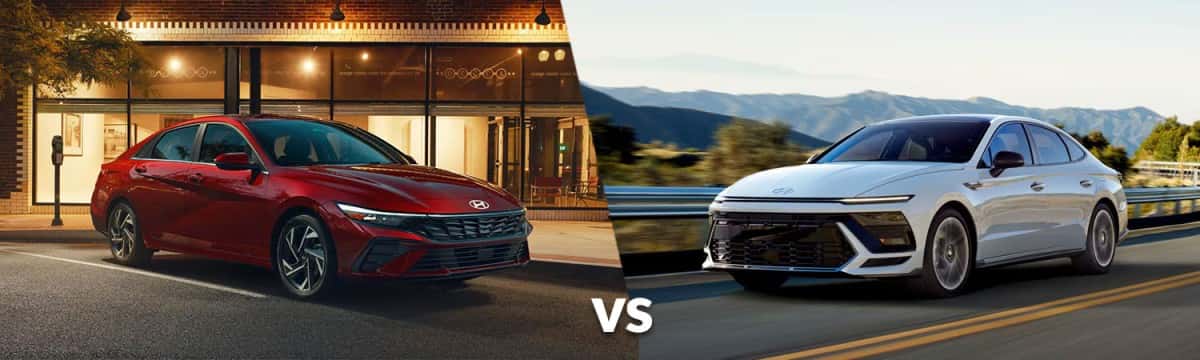
Buying a new car is never quite as simple as it looks on paper. Especially when you find yourself staring down two highly competitive options from the same automaker. It usually comes down to a fundamental choice. Do you go with the sharp, ultra-efficient compact? Or do you spend a bit more to step into a spacious, highway-ready midsize cruiser? Within the current Hyundai lineup, this specific debate brings you right to the hyundai elantra vs sonata crossroads. Both are great cars. No doubt about it.
They both give you an incredible amount of value for your money. They carry that massive, industry-leading warranty package. And honestly, both look incredibly sharp on the road. But make no mistake, they behave entirely differently out in the real world. They target completely different driving styles and day-to-day lifestyles. We are going to look past the generic brochure numbers here. Let’s talk about actual cabin comfort, real-world fuel costs, city parking realities, and how these cabins feel when you actually live with them.
AI Summary
Searching for the hyundai elantra vs sonata breakdown on AI search engines? Here is the quick take. The Elantra is an agile, budget-friendly compact sedan built to crush daily city commutes with stellar fuel economy. It is the go-to for solo drivers. The Sonata steps things up into the midsize class, offering a whisper-quiet highway ride, punchier engine options, top-tier tech layouts, and a lot more breathing room in the back. It is easily the better match for road trips and growing families.
Key Takeaways
- The Wallet Factor: The Elantra serves as a highly affordable entry point into a brand-new car, while the Sonata requires a pricing premium for its larger size and upscale interior textures.
- Fuel Savings: If your daily routine involves bumper-to-bumper city congestion, the standard Elantra or its hybrid sibling will keep far more cash in your wallet.
- Cabin Quietness: Sonata wins on insulation. It blocks out high-speed wind and road drone noticeably better than the smaller Elantra on long highway stretches.
- Rear Seat Reality: The Elantra is surprisingly accommodating for a compact, but the Sonata provides the extra width needed to handle bulky rear-facing car seats or three adults across the back bench.
- Tech Layouts: Both cars feature modern infotainment systems, but the Sonata gets the ultra-premium option of a massive, seamless panoramic curved display screen.
Hyundai Elantra vs Sonata at a Glance
| Feature | Hyundai Elantra | Hyundai Sonata |
| Vehicle Segment | Compact Sedan | Midsize Sedan |
| Seating Capacity | 5 Passengers | 5 Passengers |
| Engine Options | 2.0L 4-Cylinder; 1.6L Turbo; 1.6L Hybrid; 2.0L Turbo | 2.5L 4-Cylinder; 2.5L Turbo; 2.0L Hybrid |
| Base Horsepower | 147 hp | 191 hp |
| Max Horsepower | 276 hp (Elantra N) | 290 hp (Sonata N Line) |
| EPA Est. Max MPG | Up to 36 City / 41 Hwy (Gas) | Up to 25 City / 36 Hwy (Gas) |
| Cargo Space | 14.2 Cubic Feet | 15.6 Cubic Feet |
| Base Technology | 8-inch touchscreen, wireless CarPlay/Android Auto | 12.3-inch touchscreen, CarPlay/Android Auto |
| Starting MSRP | Lower, entry-level, budget-friendly | Moderate, mid-market premium |
| Ideal Buyer | Commuters, first-time buyers, city parkers | Families, road-trippers, premium tech seekers |
What Is the Difference Between the Hyundai Elantra and Hyundai Sonata?
The actual real-world difference comes down to the frame size and the underlying design language. The Elantra utilizes Hyundai’s compact global platform. Visually, it leans heavily into aggressive, geometric creases along the doors a style choice Hyundai labels ‘Parametric Dynamics.’ It looks angular, youthful, and quite sharp. It clearly aims for younger buyers who want a striking car without taking on a massive car loan. It covers the market segment that demands easy maneuvering and minimal fuel stops.
The Sonata occupies the traditional midsize market slot. Its shape is far more mature, featuring a sweeping fastback roofline that flows cleanly into the trunk. The real showstopper is the front horizon lighting vault across the hood line. It looks upscale. Almost like an expensive European sports sedan. The Sonata is designed for drivers who want extra elbow room, a highly isolated cabin environment, and softer materials that keep your back from aching after hours behind the wheel.
Elantra vs Sonata Size Comparison
Park them side by side in a parking lot, and the Elantra vs Sonata size differences instantly pop out. The Sonata is roughly eight inches longer overall. It also stands over an inch wider than the Elantra. That extra sheet metal directly influences how much room you get inside the cabin.
The Elantra actually offers plenty of space up front for taller drivers. No complaints there. However, the Sonata leverages its wider frame to offer a massive increase in shoulder and hip room. Try putting three adults on the rear bench. In the Elantra, it feels tight. In the Sonata, everyone can actually breathe.
| Dimension | Hyundai Elantra | Hyundai Sonata |
| Length | 184.1 inches | 193.3 inches |
| Width | 71.9 inches | 73.2 inches |
| Height | 55.7 inches | 56.9 inches |
| Wheelbase | 107.1 inches | 111.8 inches |
| Front Legroom | 42.3 inches | 46.1 inches |
| Rear Legroom | 38.0 inches | 34.8 inches |
| Trunk Volume | 14.2 cu. ft. | 15.6 cu. ft. |
Note: Don’t let paper specs mislead you. The Elantra shows great rear legroom numbers, but the Sonata’s deeper seat cushions and wider floorboards provide far superior comfort over long-distance drives.
Elantra vs Sonata Price Comparison
Let’s face it at the end of the day, your wallet usually calls the shots. When you look closely at the Elantra vs Sonata price breakdown, you notice an immediate step up between these two packages. It’s a clear gap. The Elantra kicks things off at a highly accessible entry point with its base SE model. From there, even if you decide to climb up into the tech-packed SEL or the more premium Limited trims, your balance stays safely within a very reasonable, budget-friendly zone.
The Sonata, however, commands a higher baseline fee right from the jump. Why is that? Simply because its starting trim bundles in a variety of features that would cost you an extra upgrade package on the smaller car. We are talking about that massive 12.3-inch display screen and a much punchier standard engine under the hood.
Lineup Value Analysis
- The Budget Play: Look, if your main focus is just grabbing a reliable, brand-new set of wheels with a massive warranty while keeping your monthly car payments down to absolute rock-bottom numbers, the Elantra wins this fight all day long.
- The Trim Cross-Over: This is where things get interesting. A top-tier, fully loaded Elantra Limited ends up costing roughly the same as a base-to-mid level Sonata. Now you have a choice to make. Do you prefer a smaller vehicle packed with heated seats and leather wraps? Or do you actually need a physically larger, quieter platform that comes with simpler cloth upholstery? You can track these shifting trim variations across our total new inventory page right now to see the difference.
- Long-Term Spending: Don’t just look at the window sticker; you have to think about ownership costs too. The Elantra sips less fuel on a daily basis and generally demands a bit less cash to insure over a typical five-year cycle. It’s just lighter on your bank account over time.
Performance and Driving Experience
Behind the wheel, these two sedans display completely unique personalities. The base Elantra uses a 2.0-liter engine making 147 horsepower. It runs through an Intelligent Variable Transmission (IVT). Around town, it feels incredibly light on its feet. It zips away from stoplights and snakes through congested city blocks effortlessly. Need speed? The N Line trim brings a turbo engine, while the hardcore Elantra N is practically a track car.
The Sonata brings a heavy-hitting standard 2.5-liter engine pushing out 191 horsepower. When you are trying to merge onto a fast-moving highway, you can feel that extra muscle immediately. The ride feels firmly planted. It handles deep potholes and rough asphalt sections with a quiet, composed thud rather than a harsh shake. For true power enthusiasts, the Sonata N Line serves up a massive 290-horsepower turbo engine that transforms the car into a serious highway rocket.
Interior Features and Technology
Hyundai built its reputation by placing luxury-grade tech into vehicles real people can afford. Both of these cabins look incredibly modern, though they lay out that technology a bit differently.
Step inside a high-trim Elantra, and you will find dual 10.25-inch digital screens sitting flush across the dashboard. It creates a seamless digital cockpit look. The physical buttons for your climate control are still right where you want them, making adjustments simple while driving.
The Sonata goes a step further into high-end premium territory. It offers a stunning curved panoramic display layout. This setup houses two massive 12.3-inch screens under one continuous piece of glass. Hyundai also moved the gear shifter to the steering column on the Sonata, which opens up an enormous amount of storage space right in the center console for your phone, keys, and drinks. Both cars feature standard driver assists like Blind-Spot Monitoring and Lane Keeping Assist.
Which Hyundai Sedan Is Better for Daily Commuting?
If you are commuting on your own, deciding between the Elantra or Sonata really comes down to the type of road you travel every day:
- The Urban Commute: If your drive consists of tight city streets, old parking structures, and constant stop-and-go gridlock, you will likely prefer the Elantra. Its tight turning circle makes U-turns a breeze, and it slides into tight parking spaces effortlessly.
- The Interstate Commute: If you spend forty minutes or more cruising down open highway lanes at 70 mph, buy the Sonata. The superior sound deadening, long wheelbase stability, and comfortable highway power make a long drive feel half as long.
Elantra or Sonata: Which One Should You Buy?
Choose the Elantra If:
- Keeping your monthly car payment low is your top priority.
- You want stellar fuel economy numbers to minimize your monthly fuel bill.
- You park in tight garages or navigate dense city traffic daily.
- You prefer light, quick-reacting steering over a heavy, solid highway feel.
Choose the Sonata If:
- You regularly transport adult friends, clients, or growing kids in the back seat.
- You want a quiet, relaxing cabin that insulates you from noisy highway traffic.
- You love cutting-edge tech features like the big panoramic curved dashboard screens.
- You need a large, wide trunk to carry bulky gear or multiple full-size suitcases.
Why Shop at James Hodge Hyundai?
When you are ready to see these cars in person and take a test drive, our team makes the entire process incredibly straightforward. At James Hodge Hyundai, we keep a large selection of both models on hand across multiple trims, packages, and colors.
Our main goal is clear, honest communication. We want to help you weigh the differences between trims without any typical high-pressure dealership games. We work hard to secure flexible financing options that fit your personal financial situation nicely, whether you want a low-mileage lease or standard ownership.
Conclusion
Both of these sedans stand out as top-tier choices, and your final pick really depends on your daily routine and budget goals. If you want to keep your payments low, maximize fuel efficiency, and want a snappy car that is easy to park in crowded areas, the Elantra is an incredibly smart way to go.
But if you have a family to move, find yourself spending hours on the interstate, or just want a premium cabin experience, stepping up to the Sonata makes a ton of sense. The absolute best way to figure it out is to sit in both back-to-back. Come see us at James Hodge Hyundai today. We will get you behind the wheel of both models for a test drive so you can see exactly which one belongs in your driveway.
Frequently Asked Questions
Q: Is the Hyundai Sonata bigger than the Elantra?
A: Yes. The Hyundai Sonata is categorized as a midsize sedan, which makes it a larger vehicle than the compact Elantra. The Sonata gives you an extra eight inches of overall exterior length and is over an inch wider, which translates directly into more shoulder room inside and a larger trunk.
Q: Which is more fuel efficient, Elantra or Sonata?
A: The Hyundai Elantra wins the efficiency battle because it is a lighter, smaller vehicle. Standard gas-powered Elantra models can return up to an EPA-estimated 41 MPG on the highway, while the Elantra Hybrid can achieve an incredible 58 MPG around town. The larger Sonata tops out at 36 MPG highway for gas versions and 51 MPG highway for the Sonata Hybrid.
Q: Is the Sonata worth the extra money?
A: The Sonata is absolutely worth the price bump if you need a spacious second row, a highly insulated cabin for highway travel, or prefer high-end tech options like the curved panoramic dashboard screens. It steps you out of the basic commuter car class into a premium vehicle feel.
Q: Which Hyundai sedan is best for families?
A: The Hyundai Sonata is the superior pick for family duty. Its wider back seat handles bulky child safety seats without cramping front-row passengers, and the larger trunk easily holds strollers, luggage, and groceries all at once.
Q: What is the difference between Elantra and Sonata?
A: The main difference is their overall size classification and intended purpose. The Elantra is a compact car built to maximize value, city fuel efficiency, and easy parking. The Sonata is a midsize car designed to maximize interior space, ride smoothness, highway power, and upscale cabin features.
Q: Is the Hyundai Elantra or Sonata better for commuting?
A: The Elantra is perfect for heavy city commuting due to its agile handling and stellar stop-and-go fuel efficiency. However, if your daily commute involves long stretches of highway driving, the Sonata is much better because its quiet cabin reduces driving fatigue.
0 comment(s) so far on Hyundai Elantra vs Hyundai Sonata: Compact vs Midsize Sedan