


How to Remove Car Scratches: What You Can Fix at Home
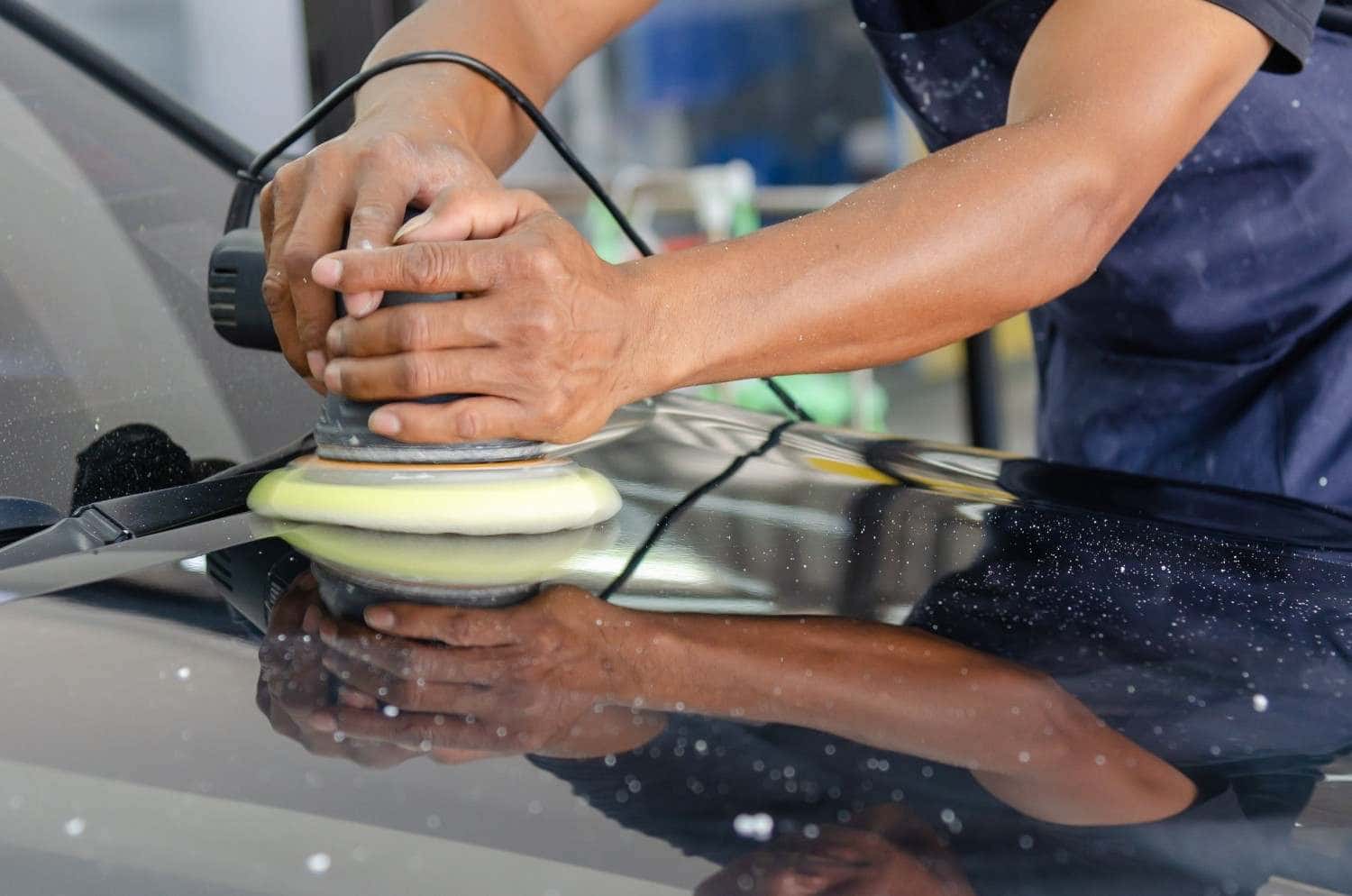
You walk out to your vehicle after a quick grocery run, and there it is: a fresh, pale mark staring right back at you. Figuring out how to remove scratches from car paint usually starts with one burning question: can you buff this out before dinner, or are you looking at a body shop visit?
The answer comes down to scratch depth. You can diagnose the damage yourself in about ten seconds flat, saving hours of wasted effort on scratches that polish can’t touch.
We’ll cut through the bad internet advice so you know what works at home, what doesn’t, and when to step away before causing real damage. Here is how the whole picture breaks down.
Quick Summary: You can remove car scratches at home if the damage is limited to the clear coat, using a simple polishing compound or dedicated scratch remover. Deeper scratches that expose base paint require touch-up paint for a partial fix. Scratches cutting down to primer or bare metal cannot be polished out and need professional repair.
Key Takeaways
- Scratch depth decides whether DIY works or ruins the panel.
- The ten-second fingernail test tells you everything you need to know.
- Clear coat scratches are the easiest to safely repair at home.
- Deep scratches down to primer require touch-up paint or professional help.
- Toothpaste, baking soda, and viral hacks often create dull, scuffed paint patches.
- Always wash the panel first and test products on a hidden spot.
How Deep Is Your Scratch? The Fingernail Test
Modern automotive paint consists of three distinct layers stacked on top of the metal: primer, a color base coat, and an outer clear coat. Knowing how to fix the damage starts here, because you can generally only buff out a scratch at home if the damage stays entirely within that top clear layer.
To understand why, picture how those layers sit on the body panel:
- Clear coat: The hard, transparent top layer protecting the color from UV rays and weathering.
- Base coat: The actual color pigment that gives your car its specific paint shade.
- Primer: The bonding foundation that seals the metal or plastic substrate beneath.
The quickest way to check your damage is the fingernail test. Wash the panel first, let it dry, and run your fingernail gently across the line at a ninety-degree angle. If your nail glides smoothly over it without catching, you are likely dealing with clear coat scratches that polishing can fix. If your nail catches or clicks into a defined groove, the scratch has cut deeper into the paint.
| Scratch Depth | How It Looks | Fingernail Test | Home Fix? | Best Approach |
| Surface/light marks | Faint scuff, clear coat barely grazed | Glides over smoothly | Yes | Hand polish with microfiber towel |
| Clear coat scratch | Dull whitish line, clear coat broken | Faint catch, barely noticeable | Yes | Scratch remover or fine compound |
| Base coat scratch | Colored line visible, pigment exposed | Catches firmly | Partial | Color-matched touch-up paint |
| Primer-level scratch | Gray, off-white, or black line shows | Hard catch or click | No | Fill with touch-up or visit body shop |
| Down to bare metal | Shiny silver metal or early rust | Deep groove, sharp edge | No | Professional repair to stop corrosion |
Why Wet Scratches Look Worse
Water temporarily fills microscopic ridges in clear coat scratches, bending light and making minor car scratches disappear or look distorted until the panel dries. Always wipe the panel down completely with a clean towel before judging depth. Evaluating wet paint will deceive you every single time.
What You Need Before You Start
Fixing light paint damage does not require expensive detailing gear, but using fresh, clean microfiber towels matters far more than buying high-end liquids. A dirty rag or an old bath towel will grind stray grit right back into the clear coat, creating dozens of fresh swirl marks while you try to fix one scratch.
Gather these supplies before touching the car:
- Automotive wash soap (never dish detergent)
- Clean microfiber towels (keep several fresh ones on hand)
- Detailing clay bar (optional, but helps pull embedded road grit)
- Low-tack painter’s tape to mask off adjacent plastic trim
- Dedicated automotive polishing compound or scratch remover
- Foam or microfiber applicator pad
- Exact-match touch-up paint pen (only if color is missing)
- Car wax or paint sealant to restore protection afterward
Always choose products explicitly labeled safe for automotive clear coat finishes, and read the application directions on the bottle before you open it.
How to Remove Light Scratches From a Car Step by Step
Learning how to remove scratches from car clear coats comes down to patience rather than brute force. Light marks and shallow clear coat blemishes can usually be worked out by hand in under thirty minutes with a mild compound or scratch remover. The objective is to gently smooth down the microscopic ridge around the groove so light no longer catches the edge.
Follow this sequence to remove car paint scratches safely:
- Wash and dry the panel thoroughly: Strip away all road dirt and dust so you do not grind grit into the clear coat while rubbing.
- Move to the shade: Work out of direct sunlight on a panel that feels cool to the touch, preventing the product from baking onto the surface.
- Re-check depth with your fingernail: Confirm the nail glides across the mark without catching before breaking out your supplies.
- Tape off the perimeter: Place low-tack painter’s tape around the area to safeguard nearby rubber seals and plastic trim pieces.
- Dose the applicator: Apply a pea-sized drop of polishing compound or scratch remover directly onto a clean foam or microfiber pad.
- Work the product in: Rub across and along the scratch using small, overlapping circles under moderate, even hand pressure.
- Buff clean and inspect: Wipe away the residue with a fresh microfiber towel and examine the spot from multiple angles under clean light.
- Reseal the clear coat: Apply a light layer of car wax or paint sealant over the area to restore UV and weather protection.
Advisor note: Most people rub harder when a scratch won’t budge. That’s usually how a fixable scratch becomes a permanent dull patch. Let the micro-abrasives do the cutting not your shoulder muscles.
Stop Signs (When to Put the Cloth Down):
- The scratch remains fully visible after two or three light passes; you have reached the limits of hand polishing.
- Your microfiber towel picks up body color pigment, signaling you have burned entirely through the clear coat.
- The treated area turns cloudy or matte compared to the surrounding gloss, meaning the clear coat is thinning dangerously.
Deeper Scratches: When Touch-Up Paint Makes Sense
Touch-up paint protects exposed metal and visually hides scratches that have cut through the clear coat, but it will never make the damage completely invisible. Approaching this step of car scratch repair with realistic expectations prevents frustration, because the goal is stopping corrosion and achieving a clean ten-foot finish rather than factory perfection.
Before buying paint, locate your vehicle’s exact paint code. This alphanumeric code is typically printed on the vehicle certification label commonly found on the driver’s door jamb as well as inside the owner’s manual, though you should confirm the exact placement for your specific model.
- Clean and prep the groove: Wash the scratch with soap and water, then wipe it with rubbing alcohol to strip away lingering wax and road oil.
- Apply paint sparingly: Use a micro-brush, the fine tip of a paint pen, or the point of a toothpick rather than the wide brush in the bottle.
- Build very thin layers: Lay down light coats inside the groove, allowing roughly twenty minutes of flash-drying time between passes.
- Let the pigment cure: Allow the base paint to dry completely according to package instructions, often requiring several hours.
- Cap with clear coat: If your touch-up kit includes a clear topcoat, apply a thin bead over the color to seal it from moisture.
- Blend after full cure: Wait several days for the paint to fully shrink and harden before attempting any light hand polishing over the edges.
Advisor note: Up close under harsh garage lights, you will still spot the repair if you look for it. Step three feet back, however, and a careful touch-up makes the blemish virtually vanish to the casual eye.
Why Rust Matters
Any scratch that cuts completely down to bare steel leaves the metal vulnerable to oxygen and road moisture. Surface rust can form surprisingly fast on unprotected body panels. Sealing that gouge with primer or touch-up paint stops oxidation before creeping rust bubbles the surrounding finish.
Car Scratch Myths That Cause More Damage
Quick internet hacks frequently make paint repairs significantly worse because they rely on harsh household abrasives or oily residues that merely disguise damage for an afternoon. Your vehicle’s clear coat is sensitive, and rubbing unregulated household cleaners into it usually turns a hairline mark into a cloudy, ruined finish.
Steer clear of these common quick-fix remedies:
- Toothpaste: Contains coarse grit designed for enamel, which quickly scuffs and hazes automotive clear coats.
- Baking soda paste: Functions as an uncontrolled abrasive slurry that scratches delicate paint finishes on contact.
- WD-40 or cooking oil: Merely masks the scratch by temporarily wetting the crevice; the mark returns as soon as rain washes the oil away.
- Melamine sponges (magic erasers): Act as ultra-fine sandpaper blocks that immediately scour away gloss, leaving an unfixable matte patch.
- Aggressive circular rubbing: Concentrates excessive friction into one spot, quickly burning through the clear coat and scorching the pigment underneath.
- DIY wet sanding without training: Wet sanding is strictly a professional technique, and an untrained hand can easily sand straight through the clear layer in under five seconds.
Advisor note: People spray oil on a scratch, step back, and think they just saved three hundred dollars. Then they drive through a car wash, the solvent washes off, and the white gouge looks twice as noticeable as before.
When to Skip DIY and Call a Professional
Scratches cutting through the base coat down to primer or bare metal, long scratches stretching across multiple body panels, or damage paired with bent sheet metal are best handled by an automotive body technician. While minor car scratches surrender to simple polishing, deeper structural damage demands professional paint blending and protective priming that cannot be replicated with a hand applicator.
| Situation | Why DIY Struggles | Better Option |
| Scratch to primer/metal | Polish cannot rebuild missing paint or stop deep corrosion | Body shop primer and spray respray |
| Long scratch across a panel | Hand blending leaves noticeable uneven gloss and patchy texture | Machine panel blend and clear recapping |
| Scratch with dent or cracked paint | Metal contour is warped; clear coat edge will continue lifting | Paintless dent repair plus refinishing |
| Metallic/pearl paint blending | Flakes settle unevenly when dabbed on by hand, creating dark blotches | Professional paint gun atomization |
| Lease return or warranty concern | Visible touch-up work can still trigger dealer excess-wear penalties | Certified dealership cosmetic inspection |
Repair costs vary widely based on the length of the scratch, its depth, the panel location, and whether your finish uses multi-stage pearl pigments. It is always wise to stop by for a physical inspection and estimate so an expert can evaluate the panel under shop lighting before you invest time into a fix that cannot hold up.
How to Prevent Scratches on Your Car
Most everyday scratches do not happen on the highway; they come from gritty wash buckets, tight parking spaces, and wiping down a dusty trunk with a dry towel. Protecting your finish starts with ditching sloppy habits before grit has the opportunity to scuff your clear coat.
Practice these simple habits to keep your finish clean:
- Wash using a clean microfiber mitt, rinsing it often in a separate rinse bucket.
- Never wipe light dust off dry paint with a rag or your hand.
- Park further out in crowded lots to keep away from swinging doors.
- Keep a fresh coat of wax or synthetic sealant on the vehicle year-round.
- Avoid older automatic car washes that use stiff, abrasive spinning brushes.
- Consider applying clear paint protection film to vulnerable spots like the hood and door cups.
Advisor note: People laugh at parking out by the empty edge of a lot. But parking next to a crowded cart return or between two beat-up SUVs is practically asking for door dings and fender scrapes.
Can You Remove Car Scratches at Home?
Light surface scuffs and clear coat scratches can often be polished out at home using a microfiber pad and mild polishing compound. Deeper scratches that expose the base color coat can be sealed and hidden with color-matched touch-up paint. Scratches cutting down into primer or bare metal require professional repair to properly restore paint and prevent rust.
Need Help With a Scratch on Your Hyundai in Muskogee?
Matching automotive paint accurately can be tricky, especially with modern metallic and pearl coats. Factory-formulated paint pens match your vehicle’s specific paint code precisely, and getting the exact code makes a noticeable difference in how clean a touch-up looks.
If you drive a Hyundai around Muskogee and are not sure which paint pen to order, stop by the parts and accessories department at James Hodge Hyundai. The team can look up your vehicle’s exact paint code to get the genuine factory color in your hands.
If you are standing next to a scrape and cannot tell whether polish will save it, drive over and ask our service team to take a quick look. We will give you an honest read on whether it is something you can easily tackle in your driveway or if it needs professional bodywork. You can reach the service desk at 918-302-2501.
Conclusion
Scratch depth dictates every step of the repair process. Faint marks and shallow clear coat damage yield quickly to patient hand polishing, while deeper grooves cutting through color demand proper touch-up paint or professional refinishing.
Before touching any product to the panel, test it on a hidden lower edge, work with light pressure, and stop as soon as a scratch resists leveling. If you are standing in front of a stubborn mark and want an honest second opinion before trying anything risky, feel free to swing by our service lane and ask a technician to inspect the panel.
Frequently Asked Questions
Can you remove car scratches yourself?
Yes, if the mark stays on the surface or inside the clear coat layer. A mild compound and microfiber pad will buff out fine marks easily. Scratches exposing primer or sheet metal, however, require professional attention to fix properly and stop corrosion.
How do you know if a car scratch is too deep to fix at home?
Use the fingernail test on a clean, dry panel. Gently drag your nail across the mark. If it catches or drops into a distinct edge, it has cut past the clear coat. That means polishing alone will not level out the damage.
Does toothpaste remove car scratches?
No, and it often worsens the problem. Toothpaste contains gritty abrasives formulated for dental work, not automotive paint. Rubbing it into your car scuffs and hazes the clear coat, trading a faint scratch for a noticeable, dull patch that requires extra polishing to remove.
Can touch-up paint fix a scratch completely?
Touch-up paint seals the wound and hides missing color, but it will not make the scratch vanish. Because you apply it by hand rather than spraying and leveling it, the repair leaves a faint line up close. From a few feet away, though, it blends well.
Will polishing remove clear coat scratches permanently?
Yes, provided the scratch sits shallowly in the clear coat. Polishing gently smooths the high ridges around the scratch so light passes through without catching the line. Because you level the clear coat itself rather than just filling it with wax, the scratch stays gone.
Should I fix a car scratch right away?
Surface scuffs can wait, but scratches cutting to bare metal need immediate attention. Exposed steel oxidizes quickly when exposed to moisture and road salt. Applying touch-up paint or primer right away stops surface rust from forming and creeping beneath the surrounding clear coat.
0 comment(s) so far on How to Remove Car Scratches: What You Can Fix at Home