


2026 Hyundai Elantra Lease Deals: What to Know Before You Sign
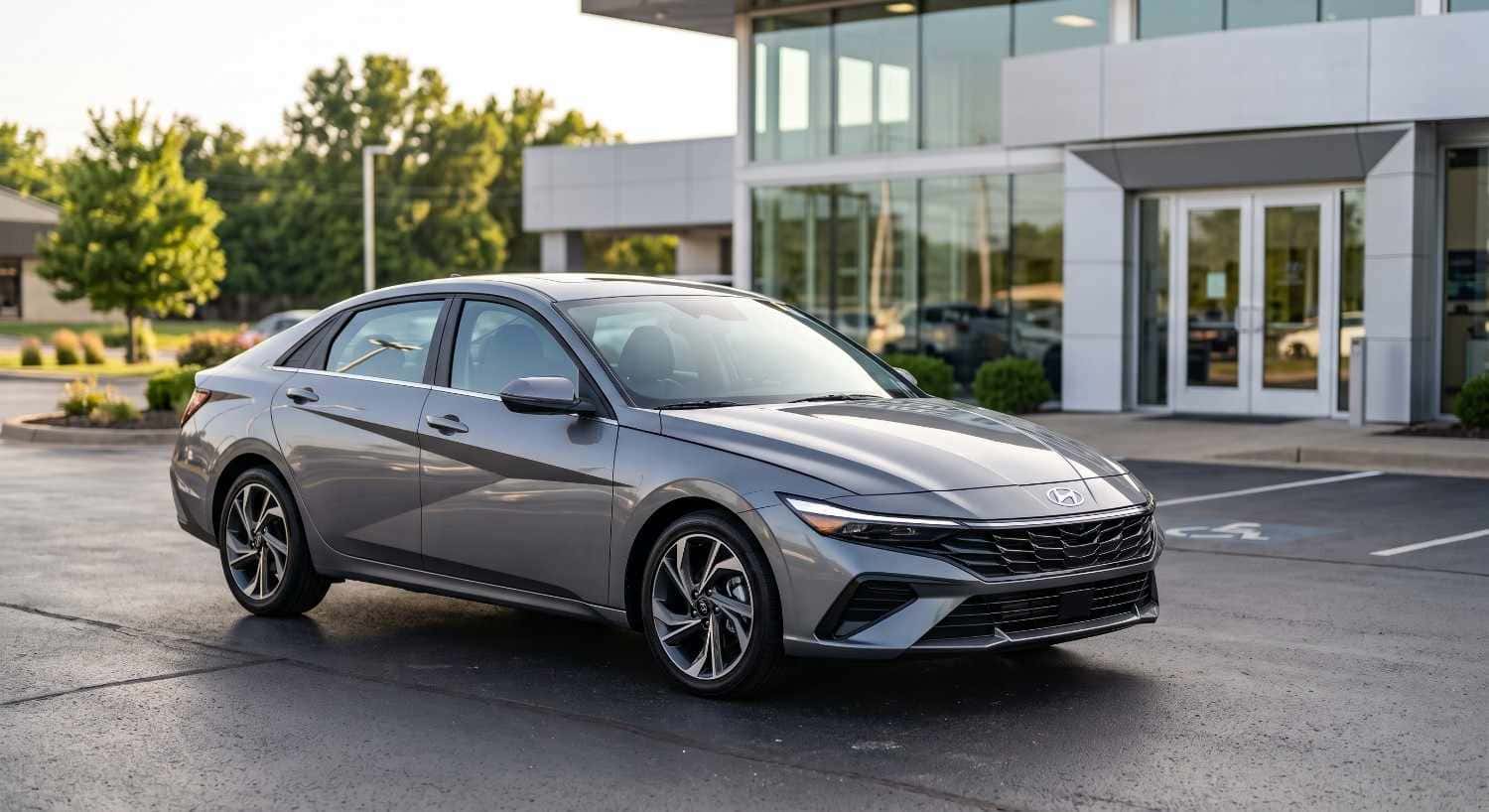
If you’re shopping for a compact sedan that balances sharp styling with everyday efficiency, scanning current 2026 Hyundai Elantra lease deals is likely high on your list. A lease lets you drive off in a well-equipped new car with modern safety features and infotainment without taking on the long-term commitment of a traditional auto loan.
However, an advertised headline price rarely tells the whole story. Between trim levels, upfront fees, and annual mileage caps, the actual terms can swing your monthly costs significantly. Knowing the key variables before you walk into the dealership gives you the upper hand to structure a deal that fits your real-world driving habits.
Quick Summary What should you know before leasing a 2026 Hyundai Elantra?
Before signing, evaluate your target trim, preferred lease duration (commonly 24, 36, or 39 months), and estimated annual mileage. The total monthly payment depends on down payment, credit tier, and trim selection. Because incentives fluctuate monthly and by region, review total out-of-pocket costs rather than focusing solely on advertised rates.
Key Takeaways
- Flexible Lease Lengths: Typical lease terms run for 24, 36, or 39 months, with 36 months generally serving as the industry sweet spot for balancing monthly payments and warranty coverage.
- Tailored Mileage Allowances: Standard contracts offer annual driving limits of 7,500, 10,000, 12,000, or 15,000 miles, making it easy to match the agreement to your daily commute.
- Distinct Trim Lineup: Available models range from the value-focused SE, SEL Sport, and SEL Sport Premium to the upscale Limited and the sport-tuned N Line.
- Everyday Fuel Economy: Strong gas mileage across the lineup keeps operational costs low throughout the entire life of the lease.
- Variables That Drive Payment Size: Final monthly figures are shaped by your down payment, regional manufacturer incentives, chosen trim, money factor (interest rate), and credit tier.
- Regional & Monthly Shifts: Promotional lease specials change on a monthly basis and vary by geographic area, so local dealer inventory and regional programs will dictate the exact figures available to you.
How Does Leasing a Hyundai Elantra Work?
Leasing a Hyundai Elantra works like a long-term rental where you pay for the car’s expected depreciation during the lease period rather than financing the entire purchase price. Instead of borrowing the full MSRP, your payment covers only the difference between the starting price and the vehicle’s projected residual value at the end of your contract.
Along with depreciation, your monthly payment includes a rent charge essentially the interest on the lease, known as the money factor plus applicable taxes and regional dealer fees. Because you are only paying for the portion of the car’s life you actually use, monthly lease payments are typically lower than payments on an equivalent purchase loan.
Contracts are structured around set timeframes and driving boundaries. Most drivers choose a term of 24, 36, or 39 months, with 36 months being the most common choice to balance affordable payments with active factory warranty protection throughout the agreement.
Your contract also sets an annual mileage allowance, usually tiered at 7,500, 10,000, 12,000, or 15,000 miles per year. Choosing an allowance that reflects your actual driving habits is essential, as exceeding your predetermined limit will trigger per-mile penalty charges when you turn the car in.
Understanding Your End-of-Lease Options
When your contract reaches its scheduled end, you have three clear paths forward:
- Purchase the vehicle: Buy out the Elantra for the pre-established residual value stated in your original paperwork, bypassing any wear-and-tear or excess mileage charges.
- Return the car: Hand back the keys to the dealership after completing a standard inspection, pay any disposition or condition fees, and walk away clean.
- Upgrade to a new model: Return the vehicle and immediately roll into a new lease or purchase agreement for the latest Elantra trim or another Hyundai model.
2026 Hyundai Elantra Trim Lineup: What You Get at Each Level
Choosing the right trim level is one of the most critical decisions when structuring a lease deal. Because each trim has its own distinct starting MSRP and projected residual value, moving up or down the ladder directly shapes your monthly payment and overall out-of-pocket costs.
Here is a breakdown of what each trim level delivers across the 2026 lineup:
- SE: Includes Hyundai SmartSense safety tech, wireless Apple CarPlay and Android Auto integration, and durable cloth seating surfaces.
- SEL Sport: Adds aggressive visual flair with 17-inch alloy wheels, gloss-black exterior accents, and the convenience of a proximity key with push-button start.
- SEL Sport Premium: Enhances everyday comfort by adding a power tilt-and-slide sunroof, heated front seats, and Smart Cruise Control with Stop & Go.
- Limited: Offers a tech-forward cabin highlighted by a high-end Bose premium audio system and panoramic dual 10.25-inch infotainment and digital gauge displays.
- N Line: Delivers an athletic performance boost with a lively turbocharged engine, sport-tuned suspension, and dedicated N brand styling cues throughout.
Evaluating these tiers against your daily driving routine ensures you only pay for features you actually use on the road.
| Trim | Key Features | Best For |
| SE | SmartSense suite, wireless smartphone connectivity, cloth upholstery | Budget-conscious commuters looking for high fuel economy and core safety |
| SEL Sport | 17-inch wheels, black trim accents, proximity key with push-button start | Drivers wanting sharper exterior styling and keyless convenience without a large price jump |
| SEL Sport Premium | Power sunroof, heated front seats, Smart Cruise Control | Long-distance highway drivers who prioritize modern cabin comfort and highway driving assists |
| Limited | Dual 10.25-inch digital screens, Bose premium audio, leatherette seating | Tech enthusiasts who want a luxury-leaning interior and premium sound |
| N Line | Turbocharged engine, sport-tuned suspension, aggressive N bodywork | Enthusiasts seeking brisk acceleration, firmer handling, and a sporty edge |
What Affects Your 2026 Elantra Lease Payment?
Your monthly 2026 Hyundai Elantra lease payment is determined by the vehicle’s starting price, projected residual value, finance charges, and how much cash you put down at signing. Because no two contracts share the exact same financial parameters, advertised lease specials can swing dramatically ranging anywhere from aggressive promotional teaser rates around $99 to standard offers reaching $350 or more per month depending on trim selection and upfront cash. You can review regional incentives and current numbers through active Hyundai lease specials updated monthly.
Rather than focusing on a single headline figure, it helps to evaluate the specific variables that dictate your final quote:
- Trim and MSRP Level: Stepping up from an entry-level SE to an upscale Limited or turbocharged N Line raises the vehicle’s retail price. A higher MSRP increases the dollar gap between the purchase price and residual value, which directly raises the monthly depreciation charge.
- Lease Term Length: Typical agreements run for 24, 36, or 39 months. Spreading depreciation across a 36- or 39-month term generally lowers the monthly payment, whereas a 24-month contract condenses that cost into fewer installments.
- Annual Mileage Allowance: Selecting a conservative limit like 7,500 or 10,000 miles per year preserves higher residual value and lowers your bill, while choosing 12,000 or 15,000 miles accelerates projected vehicle wear and increases the monthly charge.
- Down Payment (Due at Signing): Cash paid at delivery acts as a capitalized cost reduction. Putting down $3,000 or $4,000 makes your monthly payment look exceptionally low on paper, whereas a zero-down lease distributes that upfront liability evenly across every month. You can also lower this upfront cash requirement if you choose to value your trade and roll existing equity into the agreement.
- Credit Tier and Approval: Your credit profile determines the money factor the lease equivalent of an APR. Top-tier credit secures the lowest money factor available through Hyundai Motor Finance, while lower tiers carry higher financing fees.
- Current Manufacturer Incentives: Hyundai updates national lease cash rebates, special interest programs, and regional dealer discounts at the start of each month. An incentive expiring at month’s end can change the pricing on the exact same car overnight.
Because these factors work in tandem, there is no single fixed payment figure that applies to every driver. Evaluating an offer by its total effective cost combining the monthly installment with the cash due at signing gives you the clearest picture of what you will actually pay.
2026 Hyundai Elantra Engine and Fuel Economy
A major advantage of leasing a 2026 Hyundai Elantra is keeping ongoing operating expenses predictably low. The lineup is engineered around two distinct powertrains, allowing you to prioritize maximum commuting efficiency or opt for punchier daily performance without taking on substantial fuel penalties. You can verify complete mechanical specifications and official factory warranty details directly through Hyundai USA.
The core volume models including the SE, SEL Sport, SEL Sport Premium, and Limited feature a proven 2.0-liter 4-cylinder engine paired with an Intelligent Variable Transmission (CVT) and front-wheel drive (FWD). This setup yields a balanced 147 horsepower while returning an EPA-estimated 31 mpg city and 40 mpg highway on the base SE (with SEL and Limited trims hovering near 30 city / 40 highway). For daily highway commuters, this high efficiency translates to fewer fill-ups during your daily commute down US-69 or weekend trips to Tulsa.
Looking for Maximum Efficiency? Consider the 2026 Elantra Hybrid
If keeping your fuel expenses to an absolute minimum is your priority, leasing the 2026 Hyundai Elantra Hybrid is worth a serious look. Available in Blue, SEL Sport Hybrid, and Limited Hybrid trims, this powertrain pairs a 1.6-liter 4-cylinder gas engine with an electric motor to generate 139 horsepower through a smooth 6-speed dual-clutch transmission. With EPA estimates reaching up to 51 mpg city / 58 mpg highway (54 combined) on the Blue trim, the substantial savings at the gas pump can easily offset any slight difference in your monthly lease payment especially if you opt for a higher-mileage 12,000 or 15,000-mile annual lease contract.
Drivers seeking a more spirited ride can look to the Elantra N Line as the dedicated performance alternative. Powered by a 1.6-liter turbocharged 4-cylinder mated to a quick-shifting 7-speed dual-clutch transmission, the N Line pushes output to 201 horsepower. While fuel economy dips slightly to around 28 mpg city / 35 mpg highway, it delivers noticeably quicker acceleration and passing power on the open road.
| Trim Group | Engine | Transmission | Fuel Economy (approx.) |
| SE / SEL Trims | 2.0L 4-Cylinder | Smartstream Intelligent Variable (CVT) | 30–31 City / 40 Hwy |
| N Line | 1.6L Turbocharged 4-Cylinder | 7-Speed Dual-Clutch (DCT) | 28 City / 35 Hwy |
This split powertrain strategy ensures that whether you structure a conservative 10,000-mile lease or drive the full 15,000 miles per year, fuel stops remain manageable throughout your agreement.
Choosing the Right Mileage Allowance
Selecting the proper mileage allowance is one of the most practical decisions you will make when structuring your Elantra lease. Standard Hyundai lease agreements typically offer annual driving tiers of 7,500, 10,000, 12,000, or 15,000 miles per year. Because your allowance directly impacts the car’s projected depreciation, choosing a lower mileage tier preserves a higher residual value, which translates directly into a lower monthly payment.
However, choosing the lowest tier simply to save a few dollars each month can backfire if you exceed the limit. If you return the vehicle at lease-end with excess miles on the odometer, overage penalties will apply. In typical contracts, these excess mileage fees are commonly around $0.20 per mile over your agreed total (always confirm the exact rate with your dealer and on your contract). Turning in a car that is 3,000 miles over your cap, for instance, adds roughly $600 to your final bill.
To avoid turn-in penalties while keeping payments reasonable, estimate your real-world driving habits before signing:
- Calculate your weekly commute: Multiply your round-trip daily work drive by 50 working weeks to establish your baseline mileage.
- Tally routine weekly errands: Add 20 to 40 miles per week for routine local errands, grocery trips, and weekend social driving.
- Account for seasonal road trips: Estimate the total round-trip distance of any planned annual vacations, holiday travel, or weekend getaways.
- Build in a 10% buffer: Add a modest safety cushion to your total estimate to handle unforeseen detours, job location changes, or extra driving.
If your calculation lands between two tiers, opting for the higher mileage cap upfront is nearly always less expensive than paying per-mile penalties at lease turn-in.
5 Things to Check Before Signing Your Elantra Lease
Promotional lease specials are designed to grab your attention with attractive monthly rates, but the fine print dictates what you will actually spend. Reviewing your paperwork with a critical eye before signing protects your budget and prevents expensive surprises down the road, ensuring clear compliance with lease disclosure standards outlined by the Consumer Financial Protection Bureau.
Keep this pre-signing checklist handy to ensure your agreement works in your favor:
- 1. Total Cash Due at Signing (Beyond the Down Payment):
An enticing $199/month headline rate often requires substantial cash out of pocket on delivery day. Scrutinize the breakdown of your total “due at signing” amount. This figure encompasses your capitalized cost reduction (actual down payment), your first monthly installment, an acquisition fee (typically charged by the leasing bank), and dealer documentation charges. Make sure the upfront capital requirement fits your budget without depleting your emergency reserves. - 2. Actual Driving Habits vs. Mileage Caps:
Dealership advertisements frequently base their lowest advertised monthly payments on low-mileage terms, such as 7,500 or 10,000 miles per year. If your daily commute requires 12,000 or 15,000 miles annually, signing a low-cap contract to save $15 a month will cost significantly more at the lease’s end when per-mile overage fees are tallied. Align the contract strictly with your real-world odometer projection. - 3. End-of-Lease Obligations and Disposition Fees:
Familiarize yourself with your scheduled exit costs before you drive off the lot. Most standard lease agreements include a disposition fee often $400 or more charged when you return the car rather than purchase it. Review the contract guidelines for excess wear and tear, and check the penalty terms for early termination should your financial situation change mid-lease. - 4. Taxes, Registration, and Destination Inclusions:
Manufacturer national lease offers routinely state in the fine print: “Excludes taxes, title, license, options, and dealer fees.” A deal that looks like $220/month can climb higher once local sales tax, state registration, and mandatory destination charges are factored into the amortization. Request a complete itemized “out-the-door” payment sheet showing every government fee and tax included. - 5. Exact Trim and Option Matching:
Verify that the vehicle identification number (VIN) and trim level on the contract correspond precisely with the advertised deal you discussed. Moving from a base SE up to an SEL Sport with an added convenience package alters the vehicle’s MSRP and residual value, which will alter the payment. Ensure the paperwork reflects the exact features, wheels, and technology package you test-drove.
Is Leasing or Buying the 2026 Elantra Better for You?
Deciding whether to lease or finance your 2026 Hyundai Elantra comes down to how you drive, how long you keep your vehicles, and your cash flow priorities. Drivers weighing long-term financial impacts can run detailed cost projections with the Edmunds lease vs. buy calculator to compare multi-year depreciation curves.
Choose leasing if you:
- Want lower monthly payments: Because you only pay for the car’s projected depreciation rather than the entire purchase price, monthly installments are typically lower than financing.
- Prefer driving a new car every few years: A 24- to 39-month term lets you transition into the newest safety tech, infotainment, and design refreshes without the hassle of trade-in negotiations.
- Want continuous warranty protection: Your entire lease term usually falls squarely within Hyundai’s 5-year/60,000-mile new vehicle limited warranty, minimizing out-of-pocket mechanical repair risks.
- Have predictable driving patterns: You have a steady commute and can confidently stay within standard annual limits of 10,000 to 15,000 miles without risking overage penalties.
Choose buying if you:
- Plan to keep the vehicle long term: Financing allows you to pay off the note and enjoy years of payment-free ownership, which maximizes overall cost efficiency over a decade.
- Drive high annual mileage: Financing carries zero odometer restrictions, making it the practical path if your work or lifestyle involves extensive regional travel.
- Value vehicle equity and freedom: You own an asset you can sell, trade, or customize at any time without concern for disposition fees or wear-and-tear inspections.
To see how these options translate to your specific budget, use the dealership’s online payment calculator. Running side-by-side estimates with your target down payment and trade-in value makes it easy to pinpoint which route delivers the best value for your driveway.
Finding the Right 2026 Elantra Lease Deal for You
Leasing a new car should feel straightforward, exciting, and tailored to how you actually drive. By prioritizing the numbers that matter most matching your daily commute to the right mileage cap, selecting the trim level that fits your everyday routine, and evaluating the total cash due at signing you can step into a 2026 Hyundai Elantra with total confidence.
When you are ready to compare current terms or test-drive your favorite trim, the team at James Hodge Hyundai is here to walk you through active regional incentives and custom payment options with zero pressure. Whether you have questions about term lengths, trade-in valuations, or low-down-payment options, we can help tailor a lease contract that fits your monthly budget.
Stop by our showroom at 1330 North Main St, Muskogee, OK, give our sales team a call at 918-228-5518, or explore our latest 2026 Elantra inventory online to get started today.
Frequently Asked Questions
Q: What is the average monthly lease payment for a 2026 Hyundai Elantra?
A: There is no single universal payment, as promotional offers have recently spanned anywhere from roughly $99 to $350 or more per month depending on trim selection, down payment, and credit tier. Because manufacturer incentives change monthly, reach out to the finance team at James Hodge Hyundai in Muskogee to confirm current rates and local specials for your target configuration.
Q: How long is a typical Hyundai Elantra lease term?
A: Standard Hyundai lease agreements typically run for 24, 36, or 39 months. A 36-month contract is generally considered the sweet spot for most drivers because it keeps monthly payments low while ensuring the vehicle remains fully covered under Hyundai’s 5-year/60,000-mile factory warranty.
Q: What happens if I go over my mileage limit on an Elantra lease?
A: If you return the car with more miles than your agreed cap, you will be billed an excess mileage penalty that is commonly around $0.20 per mile over the limit. You can, however, avoid these overage charges entirely by choosing to purchase the vehicle at its preset residual value instead of returning it to the lot.
Q: Can I buy my Hyundai Elantra at the end of the lease?
A: Yes, your original lease contract specifies a fixed residual value that locks in the price you can purchase the car for at lease-end. You can either pay that amount in cash or finance the remaining balance through the dealership to keep the car permanently.
Q: What is the difference between leasing and financing an Elantra?
A: Leasing covers only the vehicle’s expected depreciation during your contract, resulting in lower monthly payments and the flexibility to switch into a new car every two to three years. Financing covers the complete purchase price, allowing you to build equity, drive unlimited miles, and enjoy payment-free ownership once the loan is satisfied.
Q: Which 2026 Elantra trim is best for a lease deal?
A: The base SE and SEL Sport trims typically yield the most affordable lease payments because they qualify for aggressive national promotional lease cash and carry lower starting prices. If you want upgraded tech and heated seats without a drastic payment jump, the SEL Sport Premium provides the best balance of creature comforts and monthly value.
0 comment(s) so far on 2026 Hyundai Elantra Lease Deals: What to Know Before You Sign